

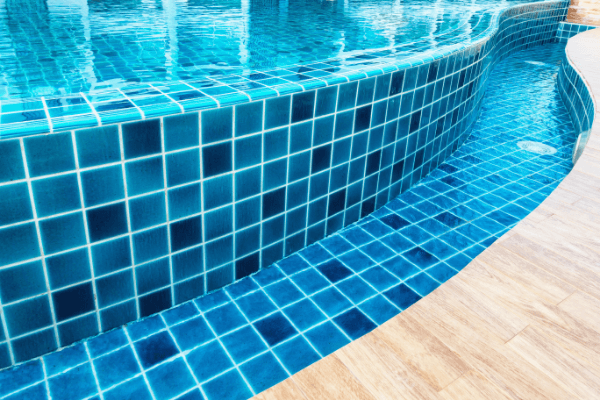
Epoxy is a top candidate when it comes to pool crack repair. With proper use, this product seals every pore by permeating through the cracks to form a watertight fill. The best part about epoxy for sealing these cracks is that it’s easy to use and produces lasting bonds. So, to some extent, it’s something you can do by yourself as long as you have the tools, knowledge, and will.
Most concrete pool cracks, chips, and leaks result from aging, faulty construction, land shifts, and accidents. In the beginning, these cracks might seem like mere scratches on your concrete. But with time, they deepen, and water can seep through the cracks, penetrate to the foundation, which eventually compromises the integrity of the entire pool. Therefore, it’s critical to take proactive measures to seal these cracks as early as you notice them.
What Can Epoxy Do to a Cracked Pool?
At Southern Illinois Epoxy, we consider epoxy a great solution to cracks and deformities in pools. It’s not only easy to use but also does its work so well that you won’t notice the repairs. Some of the things to expect from epoxy pool crack repairs include:
- Stopping leaks
- Filling the cracks
- Restoring chipped surfaces
- Filling holes
- Mending any forms of damage on concrete
- Beautifying damaged surfaces
Things You Need to Repair a Cracked Pool With Epoxy
- Epoxy concrete repair kit
- A lath (wooden)
- Wire brush
- Heavy-duty gloves
- Rubber gloves
- A hard bristled broom
- A hammer
- A chisel
- Concrete saw or grinder
- Eye and ear protection gear
- Rags
Using Epoxy on an Empty Cracked Swimming Pool
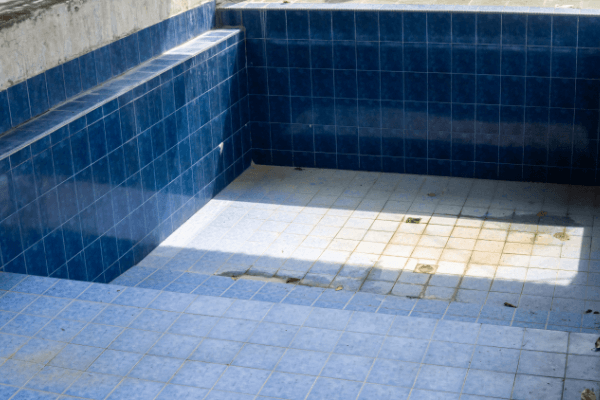
You might want to drain your pool before you start with the repair work. In this case, your approach will require a specific approach. Here’s what to do:
- With the use of a hammer and chisel or concrete saw, widen the cracks and go half an inch deep. If the crack is already broad and deep enough, leave this step. A concrete grinder will also work great – just remember to put on heavy gloves to avoid injuries.
- Remove the debris and wipe away the dust from the crack. To eliminate the loosely sticking rubble, use a wire brush or a hard-bristled broom to scrub it all away.
- Get your epoxy repair kit with the rubber gloves on and fill up a plastic container using the epoxy resin and hardener in equal measure and mix it until you get a thick bonding fluid. A wooden paddle will assist with the mixing.
- For the application to work properly, moisten the crack surfaces without soaking them with water.
- Poor your epoxy mixture into the crack and push it into every nook and cranny of the crack using the wooden lath. This process will remove trapped air in the mixture as well.
- You want your crack filled to level the rest of the concrete. So scrape off the materials to get a uniform surface.
- If there’s no water in the pool, it’s better to cover your work with a moist rag. Doing this will prevent the patch from drying too fast, shrinking, and cracking.
- Fill your swimming pool with water before you uncover your newly done patches because epoxy cures well underwater.
- If the part you’ve repaired doesn’t get in contact with water, ensure you give it six to eight hours to heal before using the place.
Using Epoxy for Fix a Cracked Swimming Pool With Water
Working with epoxy underwater works a bit differently. Here’s what to do:
- First, you need to get rid of dirt, algae, and loose rubble. So get your chisel and wire broom to reach the ends of the crack, scrubbing off every unwanted material. If there are stubborn algae, get muriatic acid or chlorine bleach and use a pipe to spray it through to the algae.
- Create a mix of epoxy resin and hardener in equal measure to create a thick substance like modeling clay.
- Roll your mixture like a snake and smear it into the crack. Then even it to level the rest of the concrete using your fingers.
- Once you’ve reached every nook and cranny, leave the patch to heal.
Pool Crack Repair Tips
- To make the most out of your epoxy set, mix up a solution that you’ll use within an hour. By the end of it, you shouldn’t have a mixed compound left lying on the ground.
- Try out your mixture on a test area to be sure it’ll look as you anticipate. There are different epoxy resin out there. Pick the color that matches your pool.
- After finishing your crack repair, use rags to wipe the surrounding areas clean for the perfect results.
- Clean your tools as soon as you’ve completed the crack repairs to make it easier for the next use. For the tools that you won’t require next time, put them together in the plastic container for disposal.
Why You Might Require Expert Help for Your Pool Crack Repair
Epoxy is very easy to use thus an ideal option for DIYers. But doing it yourself does not always guarantee good results. You want to be with someone who can diagnose the problem and offer the solution in the best way possible. Some of the reasons you might need expert help include:
Experts Come With Special Equipment: Because professionals have been doing pool crack repairs for a long time, they’ve accumulated numerous equipment needed to discover all the problems and solve them accordingly. These can include manual and automated tools.
Keeping the Costs Down: While the essence of repairing a pool by yourself is often to save money, most people end up spending more than they would pay professionals. These additional costs come about because of equipment purchases and construction errors.
Insurance Cover: What happens when someone gets hurt at the pool or stuff damage? You’ll need to bear all the liabilities if it’s a DIY project. A professional company, on the other hand, will come in handy in such circumstances because most legitimate repairers have insurance cover. Better still, because of their experience, you limit the chances of risks happening in the first place.
Quality Results and Quick Delivery: Specialists produce quality work because that’s what they do daily. And when they are through, they’ll give you advice on what to do going forward. Conversely, if you are repairing cracks for the first time, there are chances the results won’t be as great.
Imagine taking time to study the processes, go shopping for the tools, and carry out the step by step process to repair your pool cracks. It might take you several days. On the other hand, all you need is to pick your phone and call the pros. Then when they get to work, they handle your tasks in a short time.
Pool Crack Repairs in the Hands of Southern Illinois Epoxy
Pool cracks occur even with the best maintenance from the owners. But this shouldn’t be a reason to panic since you can learn how to repair it online. The earlier you detect and deal with the problem, the lesser it will demand from you.
But it’s worth noting that not all cracks in a pool are the same. Each one of them has a specific approach to get the perfect solution. Therefore, getting help from professionals is better because they have hands-on experience in repairing different kinds of pool cracks. Southern Illinois Epoxy has such experts who can help you answer all your questions about pool crack repairs.