
Many homeowners and business owners have difficulty deciding between epoxy basement flooring and stained concrete for their floors; whether the floor is for a shop, a garage, or a game room, people desire functionality and value when it comes to new floor installation. There are pros and cons to each flooring solution: while we think that both are great options, they can garner different looks and functions. Before we get into the nitty-gritty, it helps to fully understand exactly what epoxy and stained concrete are.
What is Epoxy?
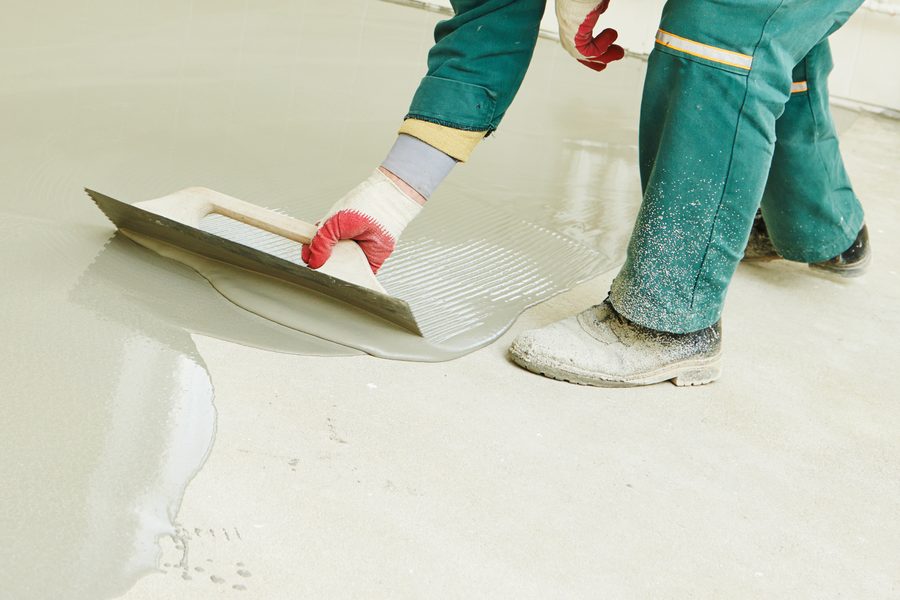
Epoxy is a liquid coating that bonds to grinded/shot blasted concrete and is used to surface the floors of a wide variety of businesses. This floor coating is made out of a combination of resins, hardeners, and chemicals that are applied to concrete flooring. Often considered one of the most durable flooring options, epoxy is routinely applied to areas such as industrial warehouses, factories, sports facilities, and hospitals. Since these types of areas are high foot-traffic areas and often have heavy equipment and machines resting/operating on the concrete, an extremely durable coating is needed to get the job done.
There are many types of Epoxy coatings to choose from based on the application of its use. Many hospitals use an antimicrobial epoxy floor coating to shield the floor from things such as bacteria, viruses, parasites, and the growth of fungus. This antibacterial coating is great for use in kitchens, schools, cafeterias, and restaurants.

Another type of epoxy flooring is called metallic epoxy. This is perhaps the most decorative epoxy, as flooring experts can add pigments of color to the top layer of the solution. In the hands of a skilled professional, this epoxy has the potential to form into beautiful ocean waves, multi-faceted rainbows of color, and even the look of storm clouds and lightning. This option is a great idea for game rooms, mechanics, and home bars.
Epoxy coatings are incredibly resistant to damages, including scuffing, staining, chemical spills, and cracks. This makes epoxy ideal for garages and basement spaces. You’ll never have to see another oil stain in your garage again!
What is Stained Concrete?
Stained concrete is exactly what it sounds like! Concrete staining is cost effective, and is regarded by many as one of the best ways to add color to plain, concrete floors. This style of floor can mimic real stone with a significantly cheaper price tag and installment time. A wide assortment of designs are available with stained concrete, as colors and ideas can be stamped, scored, stenciled, and patterned. There are two types of stains that can be used to color concrete:
- Acid Stains: Acid stains are the tried-and-true original in regards to concrete coloring. Acid stains have been available for more than five decades and use a mixture of salts and acids to trigger a chemical reaction with the concrete’s lime content. This staining method provides deep breadth of pigment, a rustic appearance, and a natural color; some of the hues that can be achieved from acid stains are browns, tans, soft blue-greens, and terra cottas. Homeowners love the translucent color options that come with acid stains, as well as the longevity of color.
- Water-Based Stains: Water-based stains enter through the surface of the concrete and settle in the pores of the surface. Much like paint, this stain does not rely on a chemical reaction; rather, it relies on the deposits of pigments contained in the solution. Water-based stains tend to have a much wider choice of colors and an opaque and uniform finish. If you are looking for a beautiful motley of patterns and colors on the floor, we recommend the acid stain. Water-based stains do not discolor or fade due to time or UV rays, and are a great option for exterior concrete.
Something to be aware of: some acidic concrete stains may vary in color once they are applied to the concrete, depending on the age of the surface and quality of the floors. The properties of the cement, the finishing methods, and moisture content all effect the final product, which is why many reputable concrete flooring companies will test the product on a small sample of concrete first. If you have the option, we recommend staining brand-new concrete, as the color will be much more vibrant and intense when compared to old, weathered concrete. If you’re the kind of person who prefers to know exactly what the finished color will be, we recommend water-based over acidic stains.
Basement Flooring Solutions
Since we are talking about basement flooring, a great option for the staining procedure could be an acidic blue-green if you decide to stain the concrete. Blue-green colors may not be a good idea near pools and exteriors, due to its tendency to turn brown/black after a few years; however, either staining procedure can be used. It all depends on what color and look you are going for.
It is also important to note what the basement will be used for. If you are a hobby mechanic and the floor may be prone to chemical spills, an epoxy will offer a slightly more durable surface when compared to staining. However, if you want a truly unique and custom-look to add to your game room, man cave, basement bar, or theater, acidic concrete staining may be the way to go.

Here’s the truth: both concrete staining and epoxy floor coatings offer multiple style options and increase the vivacity and color of the room. Having a quality floor coating can also increase the value and atmosphere of your house! Both flooring solutions are fantastic options to help revive your floors. If budget is an issue, concrete staining is generally less expensive than epoxy, and acid staining has been in the business for five decades!
Epoxy Flooring in Southern Illinois
Every floor we finish has a story, and some coatings serve a better purpose depending on how the room is going to be used. Call Southern Illinois Epoxy at (618) 565-0110 to schedule an appointment. When the contractor arrives, they can give you their professional opinion based on where the floor is, where it will be used, and how you want it to look!