
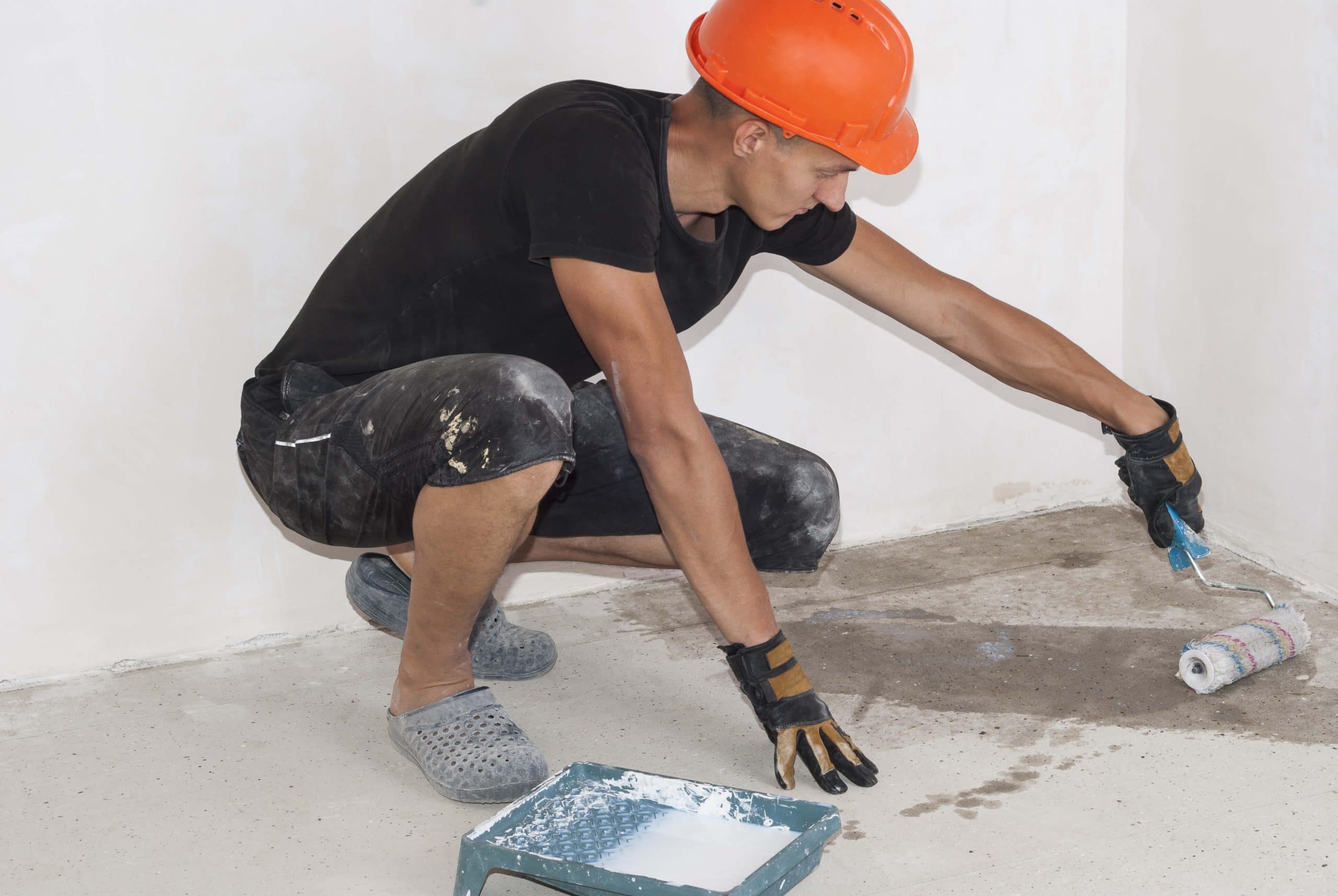
While there is a wide range of options available when you look to refinish concrete floors, not all are fit for you. Many homeowners often don’t mind spending a fortune on a solution when it assures a return on investment (ROI). And you should be no exception. Opt for a concrete refinishing solution that is durable, good-looking, and easy to maintain.
Many contractors are providing concrete refinishing solutions, and Southern Illinois Epoxy is one of them. However, we always want the best for our clients. That’s why we tailor flooring solutions to the unique needs of each client. Here are the three options you should consider when planning on refinishing concrete floors:
- Epoxy Floors
- Concrete Staining
- Concrete Polishing
Concrete Polishing
Polished concrete structures have a high-gloss finish with an exciting aesthetic appeal that mimics a mirror. The polishing process is quite demanding and requires a skilled workforce. It involves the use of fine grits to smoothen concrete. Therefore, you have to know when to change from one grit to another – something a layperson cannot do. That’s where old hands at concrete polishing, like Southern Illinois Epoxy, come in handy.
Showrooms are perfect examples of places where concrete polishing is widely used. Probably, you’ve seen other spaces decked with polished concrete, besides showrooms. Even residential homeowners are embracing this method of refinishing concrete floors. It helps rejuvenate old concrete and make it strong to hold out traffic all year round without losing its sheen. Also, polished concrete is waterproof, durable, and easy to maintain.
If concrete polishing doesn’t turn out as you’d expect, we encourage you to get a layer of epoxy.
Epoxy Floors
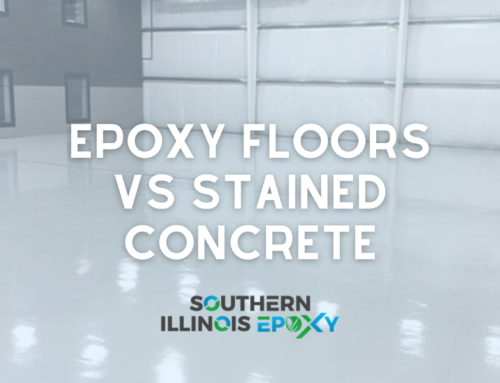
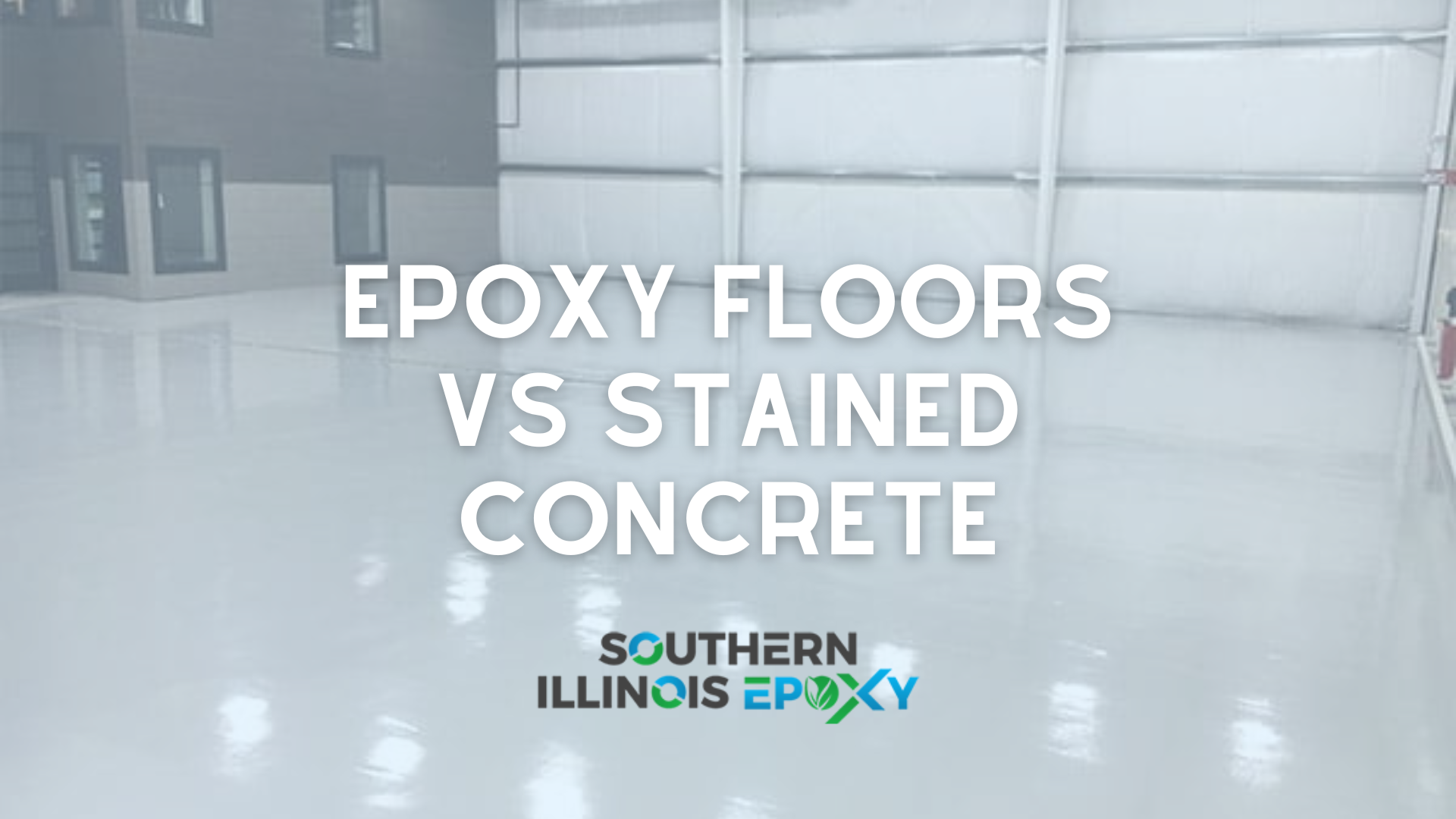
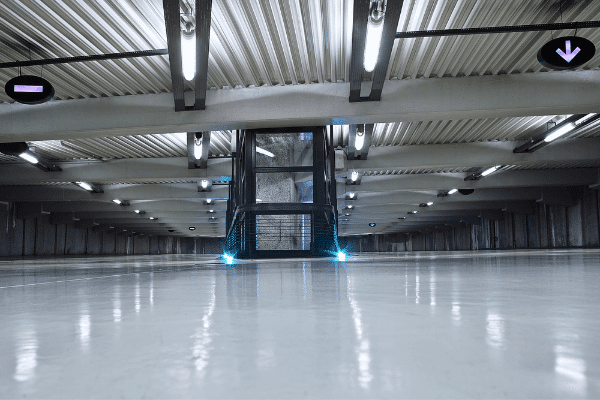
Epoxy coating is usually two-ply, and once applied on your concrete floor, it protects it against damage agents. You’ll no longer have to worry about moisture, the biggest enemy of concrete. The epoxy resin is water-resistant. Plus, it is resistant to stains and covers the pores in your concrete, making it robust enough to withstand heavy traffic.
Another upside of epoxy is that it is that our solutions are available in a range of colors. Therefore, it is possible to mix a number of colors to achieve a fulfilling style for your floor. But to get this, you want to ensure your contractor understands the finer details of epoxy flooring.
Epoxy is ideal for both commercial and residential floors. Also, you can use it on both indoor and outdoor floors. Whether it is basement flooring or garage flooring, epoxy is a perfect choice.
Concrete Staining
Staining is another great alternative to refinishing concrete floors. Concrete stains attain a variety of colors depending on several variables. They are either acidic or water-based, and they penetrate the concrete to permanently become part of it. That means you must be very careful when applying the stain because there’s no going back once the installation is done. So, you don’t want to take chances. Look for a concrete staining professional to ensure quality and durability.
Are you a design enthusiast? Staining presents you with different design possibilities, thanks to the different shades in which the dyes are available.
Floor Resurfacing and Repair
Concrete has pores on its surface, making it highly porous. Water penetrates a concrete slab through the pores and weakens the entire structure over time. The tiny pores gradually begin to merge into holes. The impact from machine and foot traffic converts the holes into cracks. And if you don’t act fast, you risk ending up with a floor that is beyond repair.
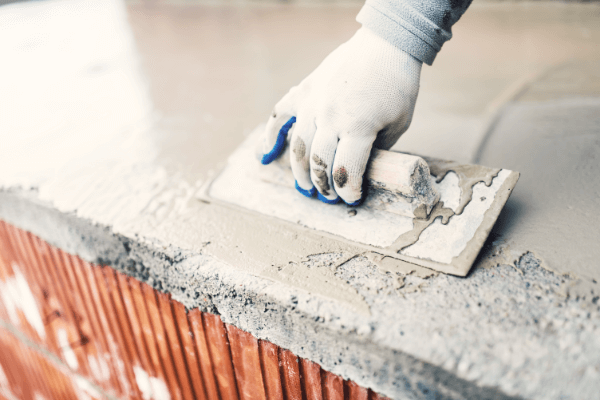
Homeowners consider resurfacing and repair when cracks emerge on their floors to avert the odds of installing a new floor. Besides, you can’t polish, stain, or apply an epoxy coating on a concrete floor surface with cracks or signs of spalling. All cracks and holes must be filled (resurfaced) first to make the surface even.
If the floor is badly damaged, you should consider pouring new concrete over the existing slab. The overlay should be at least ½’’ thick enough. Plus, metal reinforcement is advised in the new slab to make it strong. Again, you need floor a resurfacing professional because cracks in the old slab will appear in the overlay if bonding isn’t done properly. Crack control joints must be properly spaced between the slabs. More in our concrete resurfacing guide.
Why Are Concrete Floors So Popular?
Concrete is tough and strong. It can tolerate heavy weights for long periods. Not many flooring materials can match the strength of concrete. That’s why many driveways are made of concrete. So if it can withhold loaded trucks weighing tons, then it’s no wonder its popularity as a flooring material is unparalleled.
Pros of concrete floors
- Durability: With proper maintenance, concrete floors can last for ages.
- Maintenance ease: caring for concrete floors is easy. Regular sweeping and mopping make concrete floors look new all the time.
- Easy to remodel: It is easy to modify a concrete floor into the design you want, thanks to different concrete finishing techniques. You can stain, polish, or stamp your concrete floor and transform it into a stylish space.
- Energy efficiency: A flooring pro can make your concrete floor energy-efficient using such simple things as colors and texture.
The Concrete Professionals – Southern Illinois Epoxy
Southern Illinois Epoxy are flooring professionals with many years of experience spanning over a decade. We have state-of-the-art equipment and deliver modern custom concrete flooring solutions that are tailored to your unique needs. We are always keen on ensuring you get ROI whenever you entrust us with your concrete project.
We are glad both commercial and residential owners continue turning to us whenever they look to upgrade their concrete floors. Whether you want to stain your concrete, polish it, or apply an epoxy coating, you can count on us. What’s more, we charge reasonably for our services.