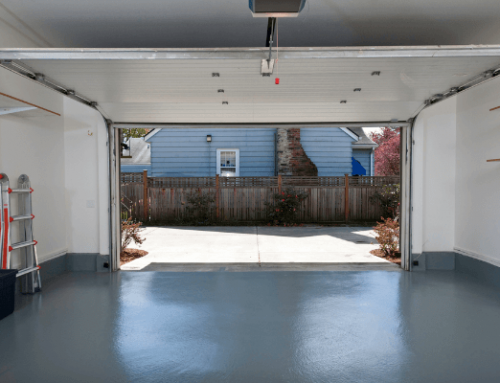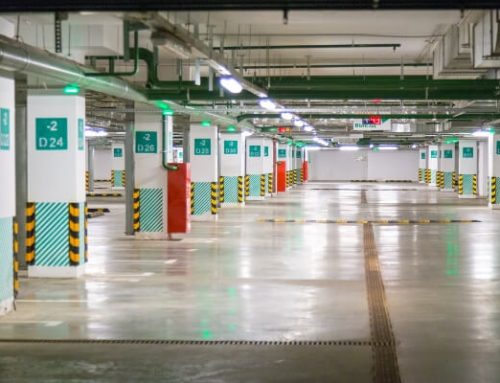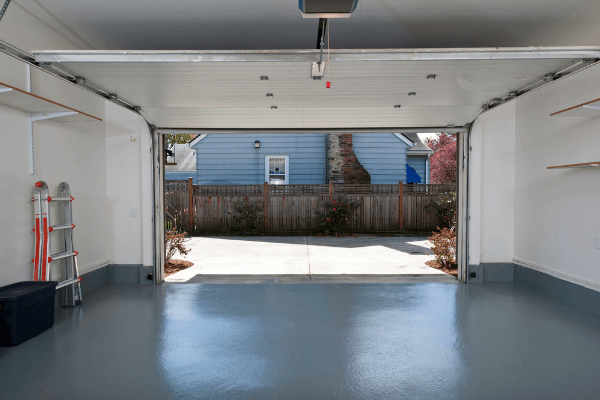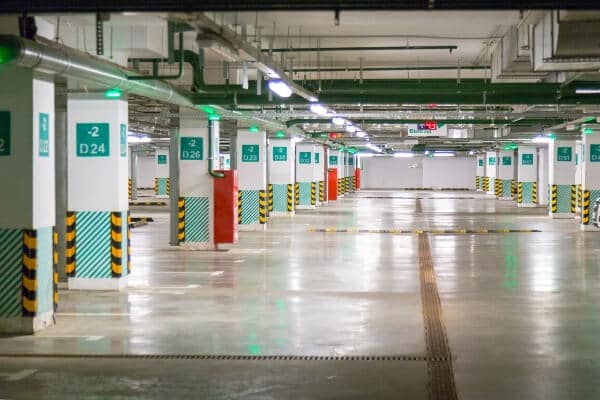

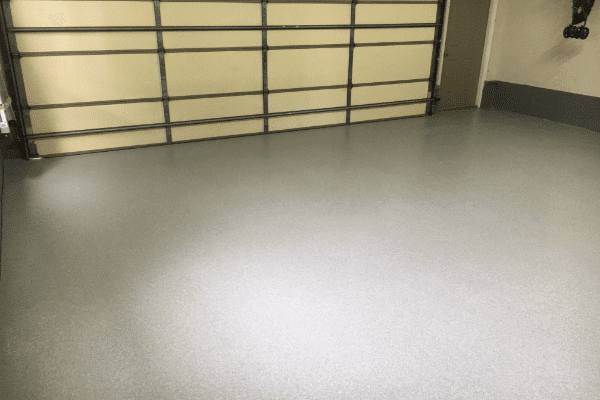
Epoxy flooring solutions are wear-resistant, long-lasting, and beautiful, explaining why they’ve become the dream floor for homeowners as well as business persons. You’ll find these floor coatings in heavy-duty warehouses, busy walkways, industrial kitchens, garage floors, high traffic hallways, and any floor surfaces that require a durable solution. Besides the quality and aesthetic value, unlike other flooring systems, epoxy floor installations are easy to clean and maintain.
We at Southern Illinois Epoxy install high-quality garage floor epoxy floors and ensure they are functional and retain their shine under minimal maintenance. Epoxy adapts so well even in the dirtiest of places as long as you understand how to clean and maintain it. If you fail to do the cleaning right, they lose their shine because of the sanding effect caused by dirt, grit, and grime.
If you fail to understand how to go about cleaning your epoxy floor, you might end up leaving behind a film of cleaning products and dirt. Eventually, this takes away the gloss of your epoxy and shortens its value. Wondering how to clean your epoxy garage floor? Here’s all you need to know.
What You Need to Clean Garage Floor Epoxy
You’ll need tools and particular products to clean your garage floor epoxy. A dust mop will often handle most of your cleaning and therefore getting several will be a wise move.
- A dust mop
- A vacuum
- A broom
- Clean rags or soft cloths
- Hosing
- Hot water supply
- Microfiber mop
- Mild soap
- Vinegar
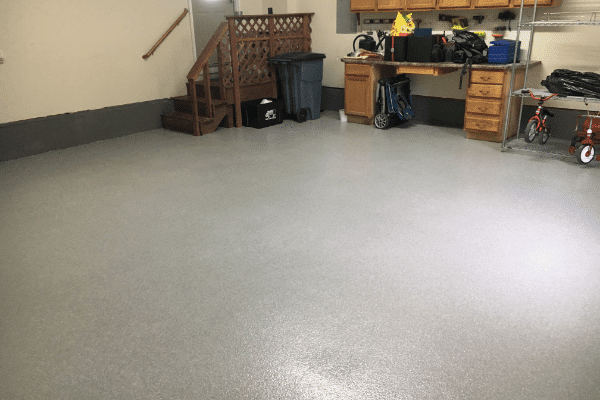
How to Clean Garage Floor Epoxy
While epoxy floors are tough, dirt and sand develop over time cleaning your epoxy garage floor requires the right products and technique to get the best results. We’ve come up with the best recommendations for our clients to get the most out of their epoxy installations as follows.
Protect Your Garage Floor Epoxy
If you’re into activities like welding, you want to protect your garage from the possible damage with the use of a welding mat. Also, buy a designated welcome mat and place it at the entry so you can wipe your footwear before you get into your epoxy garage. Doing this will prevent unnecessary dirtying of your floors.
Always Remove Dirt and Grit From Epoxy Garage Floors
Your shoes, vehicle tires, and machine movements will contribute to bringing dirt and grit to your garage. These elements scratch and embed into the floor, which becomes evident over time. So what you want to do is keep your floor surfaces free of dirt and grit all the time. How to do this? Buy a vacuum that comes with a soft brush to remove the dirt. The cleaning frequency will depend on how dusty your place is and the activities in your garage. So, monitor your garage every time you move machinery and use it.
Get Rid of Dirt and Spills in Time by Spot Cleaning
Most of the cleaning you’ll do on your epoxy garage will be when you spill something. The good news is that regardless of the liquid you spill, epoxy is liquid-resistant and will make the cleaning process easy. When you do this, ensure you vacuum it along with the available dirt and grime. Then mop the place with warm water.
Don’t Use Strong Soaps to Clean Your Floor
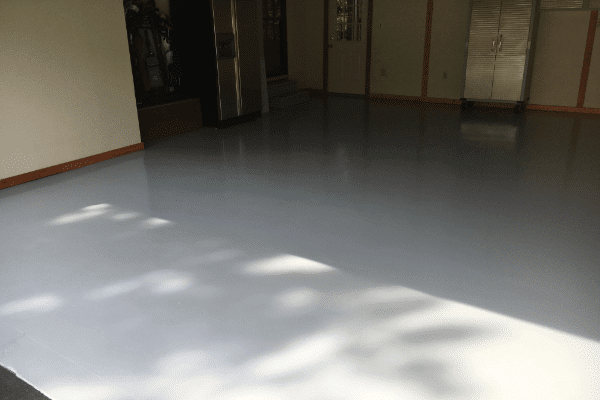
Unfortunately, when we think cleaning, what comes to most minds is soap and water. Epoxy doesn’t require soap to clean because they leave a thin film on the surfaces that build up with time. If you must use soap, get mild soap that will help you remove the stubborn spills. Otherwise, a mop and warm water are good enough to keep your floor glowy.
Heavy Soiling Needs More Attention
In a normal setting, you’ll be sweeping and vacuuming to get rid of grime, grit, and dirt. For heavy soiling, you’ll need to involve hot water and a mop with hard foam. Then mop the cleaned surface with a mixture of ammonia and hot water. Three ounces for every gallon of water works fine.
Stains Require Scrubbing
When it comes to rust and other tough stains on your epoxy garage floor, take your utensils sponge with warm water. Rub the stain until it loosens then wipe it off. Don’t use abrasive cleaning materials like steel wool and citrus or vinegar-based chemicals that contain acids that will destroy the chemical bonds of your floor.
Epoxy Floor Solutions for Home and Business Garages
Epoxy is one of the best flooring solutions for your garage, whether a residential or commercial floor. They’ll save your time during cleaning and maintenance, which ensures you save money in the long run. Our installations at Southern Illinois Epoxy are designed to last you many years, but it’s important that you keep the floor clean to maintain its glow and lengthen its life. Do you want to learn more about epoxy floors? Reach out to us so we’ll teach you something new!