
High Traffic Concrete Floor Paint
While epoxy surfaces are durable and cost-effective, not everyone prefers these applications. Many homeowners will often settle for high traffic concrete floor paint, but these products do not offer near the level of protection that resin flooring has. They do, however, provide a quick and straightforward installation, and easy Do It Yourself projects. The problem with concrete paint is that it peels and bubbles quickly. You might be saving $2.00 a square foot on the front end, but many times do it yourselfers call us back asking for us to take up the paint and do a full epoxy floor finish because the end result of applying paint to concrete isn’t what they had hoped.
At Southern Illinois Epoxy, we offer these services with the best results. You can experience professional-grade products and affordable pricing with our talented contractors.
Continue reading to learn which floor paints offer the most protection. Then, contact us to hear what you can save with our installation team.
What’s the Difference Between Epoxy and Floor Coatings?
Floor coatings differ from real epoxy systems as they only cover the surface. These products contain far fewer resin solids, so it leaves them weaker than an epoxy coated floor. However, they can be installed much faster and easier than complete epoxy floors. Even homeowners who have never attempted it can achieve decent results.
These products use paint as a base and include small levels of epoxy. That gives it higher elasticity and density, allowing it to perform better over paint-only products. While these methods won’t keep your garage as protected, they do have their benefits. We can also install epoxy floor coatings for you for fast and affordable results.
Why Use High Traffic Concrete Floor Paint?
When push comes to shove, we recommend full epoxy flooring for high traffic concrete. However, we also recognize that not everyone has the time for these projects. Professionally installed resin systems can require many days of labor and curing. Not only are we building a floor from liquids, but preparing and repairing cement, too.
Choosing a paint coating, on the other hand, is faster, cheaper, and easier. When complete epoxy flooring systems are too inconvenient, paint coatings are an excellent alternative. We can also install these products for professional results every time. When you need a temporary fix for your immediate problems, paints are useful for:
- Improved Surface Protection
- Attractive Concrete Floor
- Enhanced Safety Features
- Surface Demarcation
- Chemical Resistance
- Eco-Friendly Building Material
- Simplified Cleaning and Maintenance
Improved Surface Protection
Epoxy flooring has been used for years in both commercial and industrial applications. The reason why is because of how well it protects surfaces against many different hazards. Although paint coatings offer less resin and protective properties, they still improve your flooring. Garages, especially, can benefit from increased impact and stain resistance.
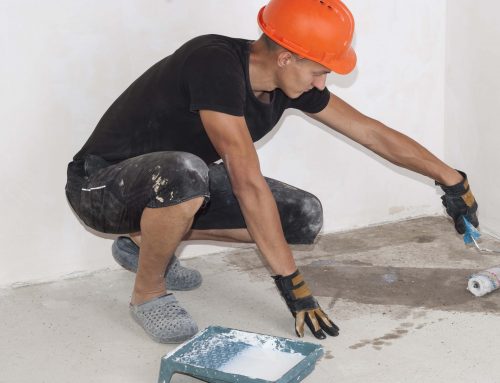
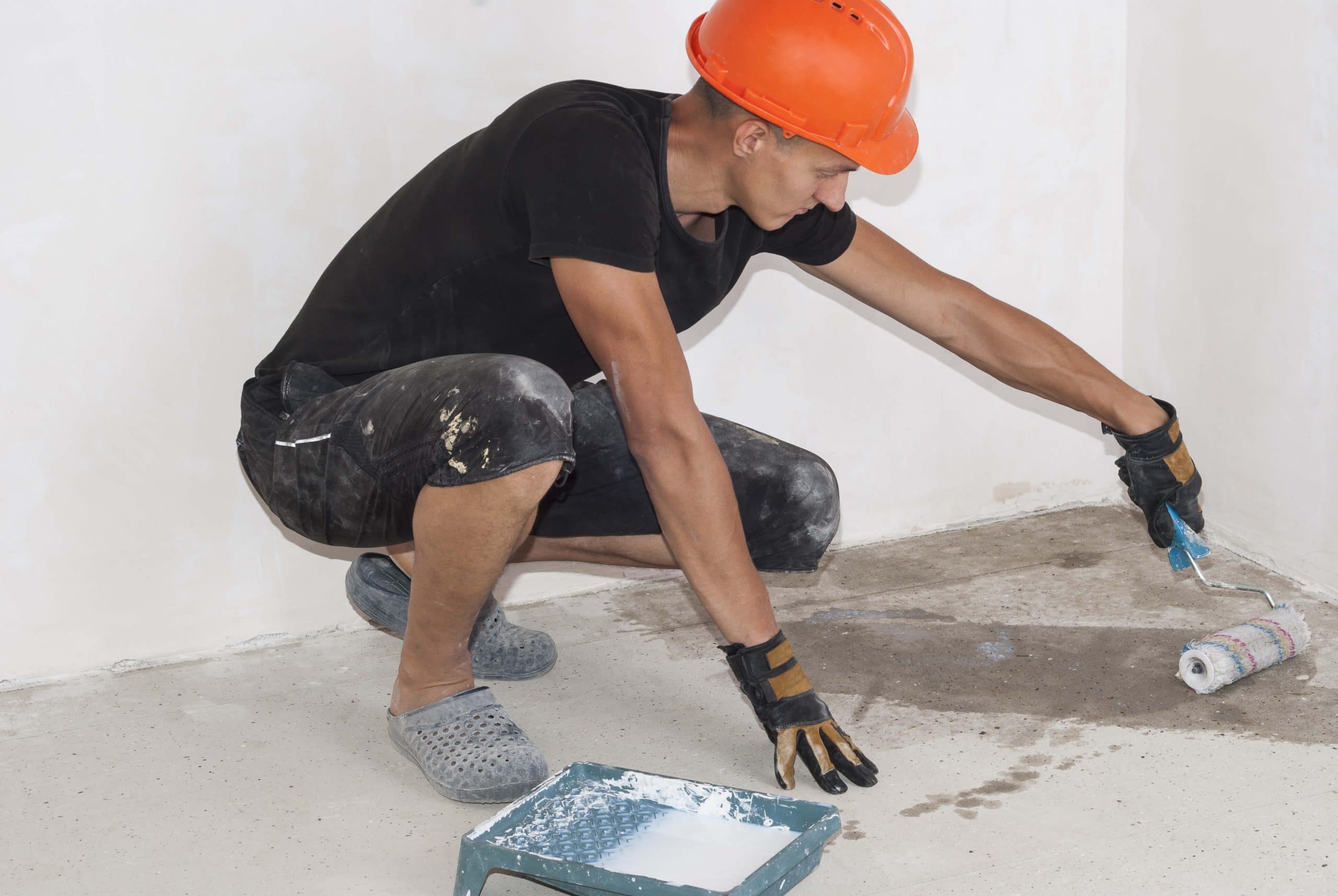
Rolling these products onto cement surfaces has become one of the most popular DIY projects. In one afternoon, you can add tons of protection and aesthetics to otherwise boring rooms. One thing to note is that these paints won’t adhere long without cleaning the cement first. Otherwise, it doesn’t bond to the surface, forcing it to peel eventually.
Attractive Concrete Floor
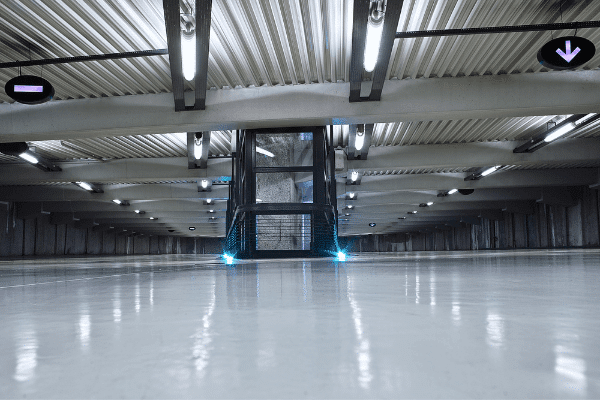
If you have seen one gray cement surface, you feel like you have seen them all. Virtually everyone’s garage and driveways look identical to the rest. Even with darker shades, you’ll begin to see a noticeable difference following your installation. A new paint coating on your floor can make the room begin to look lighter, brighter, and easier to work inside of.
Their sheen isn’t the most attractive part, but the various colors available are. Most of these jobs utilize one shade, but other options exist as well. Whether you prefer neutral tones and beiges or something unique, hardware stores carry many products. You can also call our installation contractors to learn about all your different options.
Enhanced Safety Features
One of the main reasons why epoxy products are popular is because of their safety features. You won’t find another building material that protects against so many hazards. Even with paint floor coatings, you still receive some of these benefits. Their reduced resin count will offer more protection over traditional poured cement.
Although you won’t have as much defense as with real epoxy floors, they still work. Whatever concerns you may have, floor coatings go a long way to address them. Make sure they offer you as much protection as possible by hiring a professional.
You can plan to see many safety features with these products, such as:
- Chemical Resistance
- Heat Resistance
- Stain Resistant
- Improved Impact Safety
- Spill Resistance
- Improved Surface Durability
- Moisture Defense
- Enhanced Structural Support
- Slip and Fall Safety
Surface Demarcation
Some cement surfaces offer enough room to park a car and little else. Other spaces, however, stretch far and wide and often need surface demarcations. Unfortunately, spray paints, peel stickers, and other products don’t always adhere to cement. People usually find themselves replacing them often or simply giving up.
Instead, applying a coat of epoxy paint first offers a better binding result. Your floor demarcations stick to the product instead of concrete, lasting much longer. Whether you decide on safety marking for your home or at work, coating comes first.
Chemical Resistance
How many times have you knocked something over in your garage? And how often did that thing turn out to be automotive fluids?
How many times have you knocked something over in your garage? And how often did that thing turn out to be automotive fluids?
No matter how quickly you get towels down, you have probably already stained the floor. Cement surfaces are porous, and they absorb liquids, even thick greases, oils, and other chemicals. When the spill is corrosive, it can cause even more damage when it’s absorbed. Before long, your floors are weakened and gross and covered in harsh chemicals.
Floor coatings not only improve your surface’s appearance but protect it from harm. Even the worst spills are no match for epoxy-based building products.
Eco-Friendly Building Material
It may not seem like it at first, but resin floors and coatings are eco-friendly products. Very few chemicals and products are used, and these options install on existing cement surfaces. As a result, you are having little to nothing new built or installed. Instead, you merely cover or seal the ground with a durable and gorgeous product.
Although they smell harsh while they cure, it’s the result of chemical reactions. Once the epoxy cures entirely, you won’t notice any odors again. When we complete your job, we toss little out into the trash. You will feel amazed at how eco-friendly your garage floor paints are.
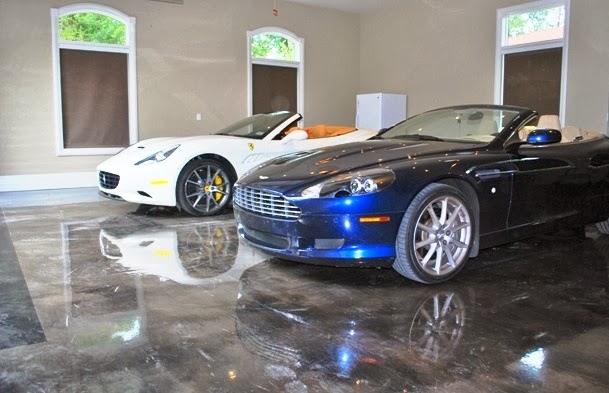
Simplified Cleaning and Maintenance
One reason why most garages are filthy is because of their difficulty to clean. After a while, you throw your hands up in frustration and barely notice any progress. Cement is porous, so it traps a number of pollutants and contaminants every day on its surface. Unless you plan on giving it a deep scrubbing, no stains will budge.
All epoxy floors help with simplified cleaning and maintenance, even paint coatings. Debris stays on the surface without getting ground in, leaving it easier to clean up. Simply use a dry dust mop, broom, or mild soap and water. You won’t believe how fast your stains, scuffs, and other blemishes come off.
Which High Traffic Concrete Floor Paint is Best?
With so many unique options, it’s hard to narrow your search. We recommend choosing a product that has at least one-part resin. Otherwise, it won’t protect against the number of hazards you could run into. Two-party epoxy coatings are even more durable but also need longer curing times. Choosing the right floor paint comes down to installation requirements and constraints.
No matter what product is best for your place, we can install them all. Hire Southern Illinois Epoxy now for coatings, floors, and other epoxy flooring services.