

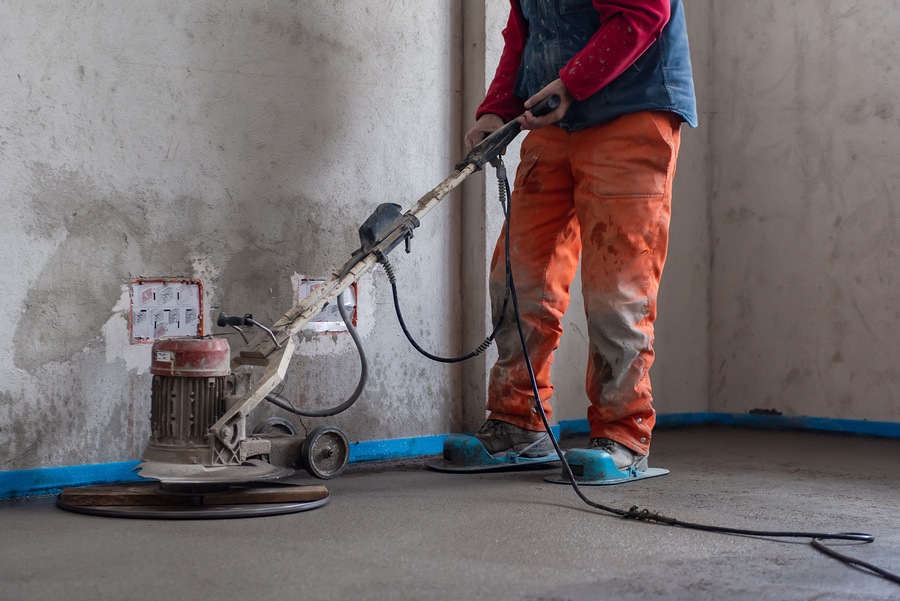
If your concrete patio, sidewalk, driveway, or garage floor is starting to show signs of aging, there are two courses of action that people take to correct this issue. The first would be the much more expensive option. First, you would have to hire a demolition team to remove, destroy, and dispose of the concrete slab and debris. This can leave you with a big mess and a hefty clean up fee. After that you’ll have to prepare a new base and pour a new slab. This can be prohibitively expensive. Sometimes a concrete slab is too damaged, yes. But if the problem is just discoloring, spalling, or just superficial cracking on minor chipping, then read our concrete resurfacing guide & common FAQs. After you read this post, you’ll probably consider hiring concrete resurfacing contractors to freshen up your worn out concrete slabs.
What is Concrete Resurfacing?
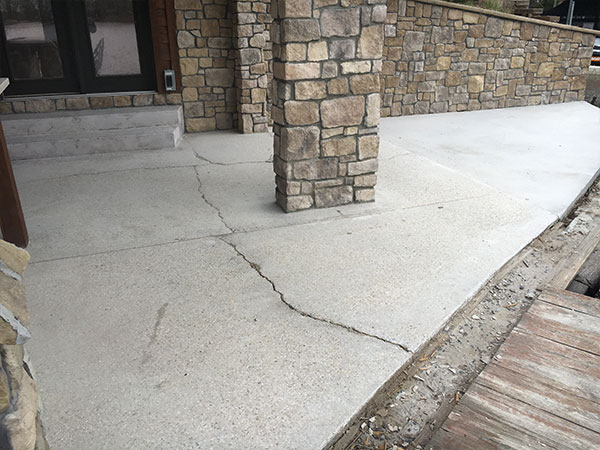
This is the second choice besides tearing out the whole concrete slab. Concrete resurfacer is unlike mortars and regular concrete mixes, because it is designed to be applied in very thin applications and coats – typically no more than ½ thick. The additives in concrete resurfacer provide great adhesion to the existing slab and can make the resurfaced structure even stronger than before. You can fill cracks, small holes, divots, spalling, discoloration, and chipping with concrete resurfacing to avoid tearing out the entire concrete slab.
If the concrete slab just has some minor aesthetic damage, and is in otherwise good condition, then you are ready to get started. Using the concrete resurfacer, concrete resurfacing contractors will resurface the concrete to create a beautiful, smooth, and uniform surface for you to enjoy.
Concrete resurfacing jobs are typically done in high-traffic areas such as patios, driveways, sidewalks, garages, and even public highways, streets, and commercial/retail/industrial centers. One of the reasons for this is that a resurface concrete overlay costs substantially less than ripping out an old concrete slab and installing brand new slabs (especially for large-scale jobs such as roads).
What is the Importance of Concrete Resurfacing?
Concrete resurfacing is economical and it won’t completely set your wallet on fire. Concrete resurfacing will repair worn, old, and dirty surfaces without the hassle of a demolition crew. This cement-based overlay that you decide to use will transform the look of your old patio, driveway, or concrete slab.
Concrete resurfacing is important because existing concrete goes through wear and tear all the time. You’ll need a resurfacing material to make it possible to enjoy everything that your concrete slab has to offer. Resurfacing your concrete substrate doesn’t take a huge amount of time or effort, and it also saves you many headaches that come with ripping out entire sections of concrete. Imagine ripping out your entire driveway!
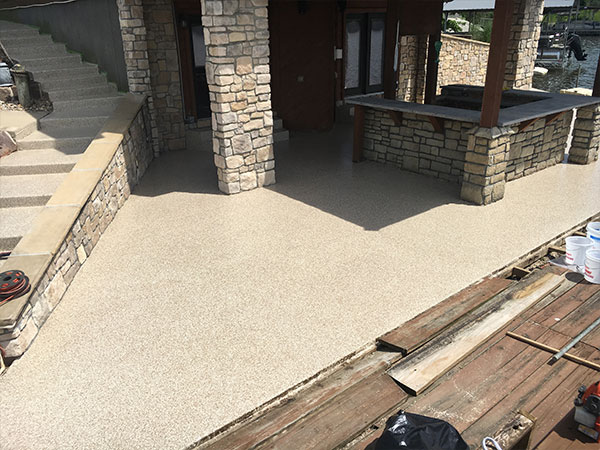
Concrete resurfacing also allows for different designs, colors, and a bunch of aesthetically pleasing finishes. If you’d like actual marble in your house without the price of paying for actual marble, concrete resurfacing can look like granite, brick, sandstone, or marble – without the expensive price tag.
Concrete resurfacing can also increase the value of your home. It can be quite the investment to fix damages, cracks, and worn out floors, and realtors will take just as much notice as you when they see your new floors.
Does Concrete Resurfacing Last?
If your concrete slab is not extremely damaged, you can expect your properly resurfaced concrete to last anywhere from 8-15 years depending on a few things:
- How many coats are you planning? Some contractors will use 3 coats instead of 1-2. This can increase the lifespan of the resurfaced concrete.
- Is the area a high-volume foot traffic area? If the concrete is prone to scuffs day-in and day-out, expect a shorter lifespan.
- What other traffic is going through the area? Even though concrete resurfacer is rated for 4,500 psi, the weight of heavy machinery and vehicles will take a toll (albeit it will still take a few years to notice wear and tear).
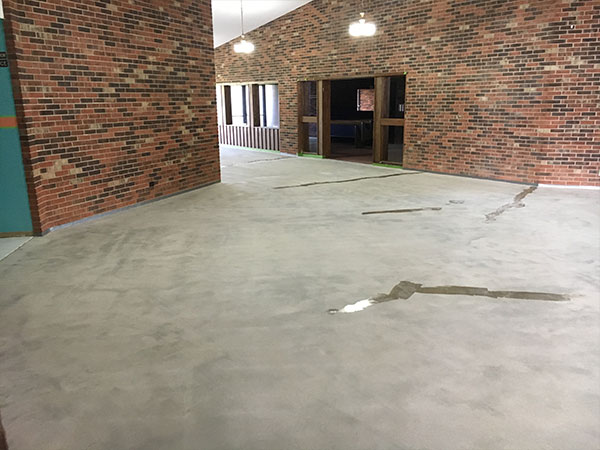
Does Concrete Resurfacing Really Work?
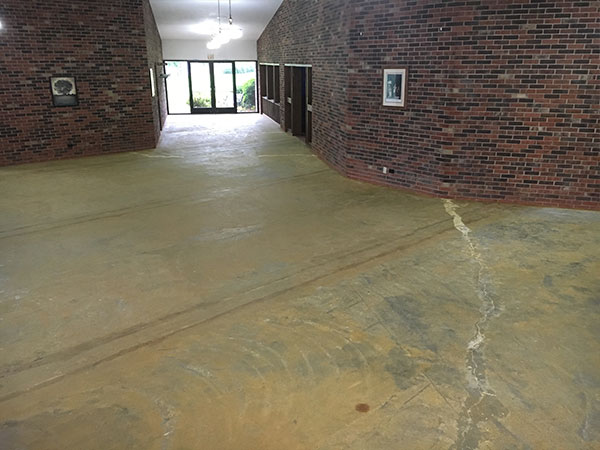
Of course it does! As long as you hire a professionally trained contractor to get the job done, you can expect to get a lot more life out of your concrete foundation. Concrete resurfacing is the happy medium between ripping out your entire concrete foundation and doing nothing at all.
As a side note, regular cement and mortar will not produce a resurfacer. You must use products specifically meant for resurfacing.
An additional resurfaced overlay will protect the otherwise worn down concrete slab from harsh weather, vehicles, foot traffic, and more! While it’s not a permanent solution, you can expect around a decade of benefits from a properly resurfaced foundation.
Concrete resurfacing requires a minimum of cash, time, and energy when you compare it to a driveway or patio concrete demolition project. Resurfacing can provide a beautiful new surface at a bargain rate.
Is Concrete Resurfacing Expensive?
While each project will differ in terms of price and conditions (such as amount of material used, number of labor hours, etc), the standard/average cost to resurface concrete is:
- 100 sq. feet = anywhere from $300 to $500 depending on the size of the project.
- 1 sq. foot = anywhere from $3 to $5. If the concrete slab is very damaged, it could cost more than $5.
This is just for resurfaced concrete. For items such as epoxy, decorative overlays, and stamped concrete overlays, prices can range anywhere from $7 to $20. The best thing that you can do is call a reputable contractor to get a custom quote on the resurfacing job. No two concrete resurfacing jobs are alike.
For example, if you were to resurface an average driveway (which is about 38×16-feet) at a rate of $3 to $5 per square foot, it’ll run you about $2,500, give or take. The amount of material and man-hours required for each project varies. Compared to completely installing a new driveway (which will be upwards of $4,000), you are saving money on all the additional expenses that come with ripping out old concrete slabs (such as disposing of waste).
Concrete Resurfacing Southern Illinois
In addition to polished concrete, stained concrete, and all types of epoxy floors, we also resurface and refinish damaged concrete flooring. From large scale to small scale projects, we are confident that we can help you with your damaged concrete foundations.
For more information or a free quote, call Southern Illinois Epoxy today!
